

 WhatsApp us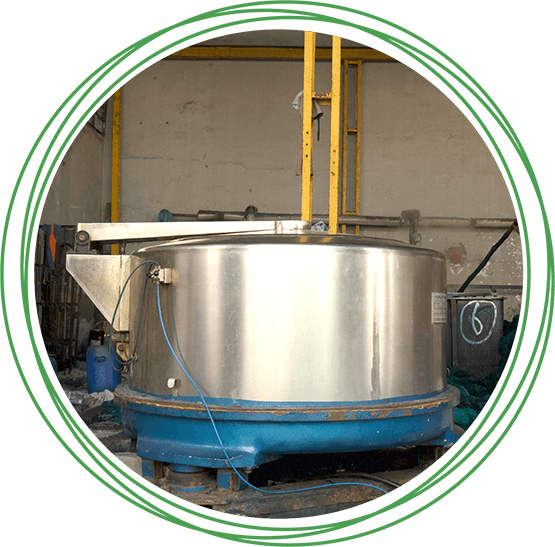
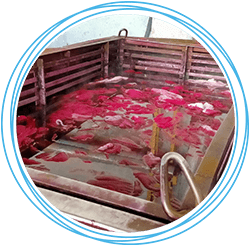
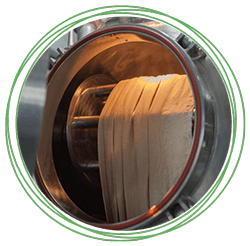
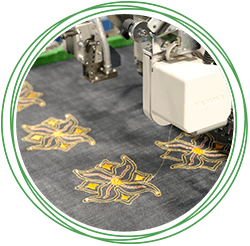
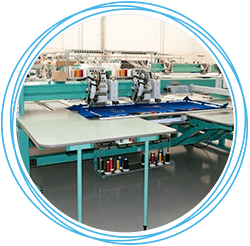
The process of dyeing involves colouring textile items to make them more visually appealing. Jindal Textile uses high-quality machines to ensure that this complex process runs smoothly. Jindal Textile maintains rigorous quality control to preserve uniformity in its goods and guarantee that they satisfy international standards.
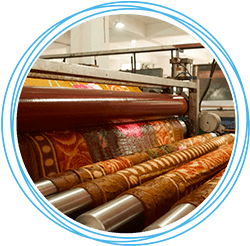
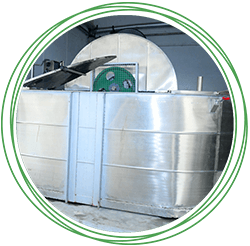
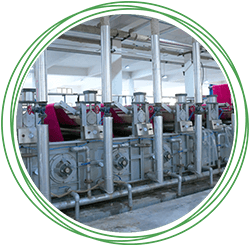
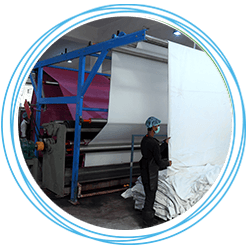
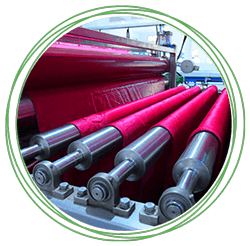
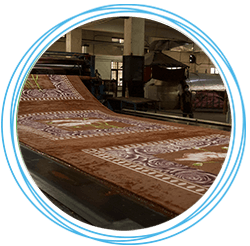
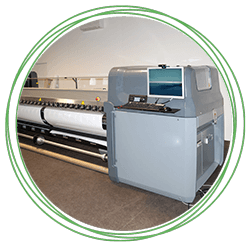
Digital textile printing is a subset of roll-to-roll wide-format inkjet printing. Jindal Textile houses three of these devices, as it views digital textile printing as a revolutionary technology. This seems like a promising way to cut down on the waste and water pollution that comes with conventional textile dyeing and printing, as well as the energy and water use. By implementing this innovative technology, Jindal Textile is now easily able to produce high-quality, environmentally friendly products.

Ensuring effective enclosure and protection
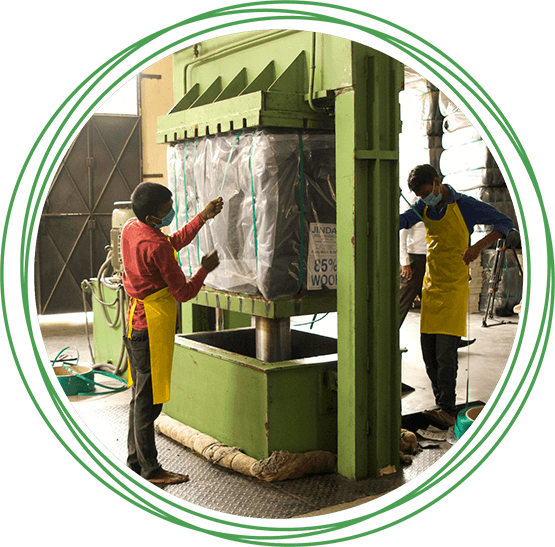
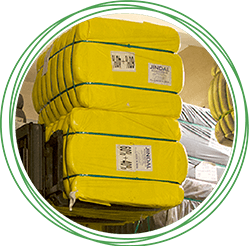
Once production is finished, the packing and dispatching phase starts. It refers to the technology that encloses and safeguards products that are ready for distribution. The three-step process entails package design, evaluation, and production so that the finished goods may be dispatched through logistics and delivered to the end consumer.
Over time, packaging design has evolved. Tinplate and clear cellophane overwraps have replaced paper, wooden barrels, and woven bags as the primary forms of packaging. The products are entirely safe thanks to the current packing practices. The usefulness and performance of the package have been enhanced by the addition of materials like strips of aluminium and plastic. Our facility has the most modern equipment to execute the complete product packaging process.
These machines makes certain that all other areas of packing, such as style and weight, labelling on bales/cartons, and other shipment details, are handled in addition to providing the finest possible packaging for all product sizes. Primary packaging and secondary packaging are typically the two types of packaging used in the textile business. The material that encloses and secures the product is known as the primary packaging. The products and this kind of packaging are in direct contact. They are frequently grouped together in the secondary packaging, which is positioned away from the primary packaging. The third type of packaging, known as tertiary packaging, is frequently used for shipping, warehousing, and handling large quantities of goods.
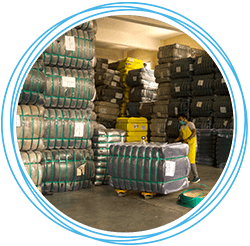
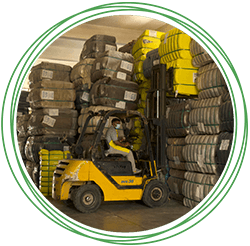
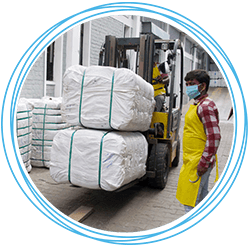
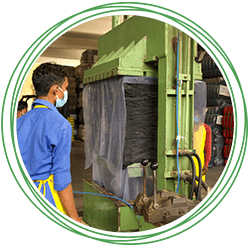

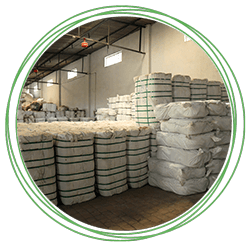
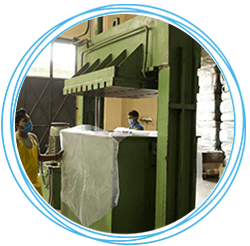
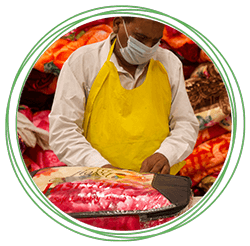
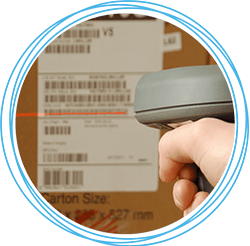
The packaging procedures don't end at packaging and shipping. The procedure is then expanded to include three additional technological elements. The three elements are identification codes, barcodes, and electronic data exchange (EDI). With the use of these three technology resources, Jindal Textile is able to trace products and shipping containers quickly and effectively along the distribution chain.
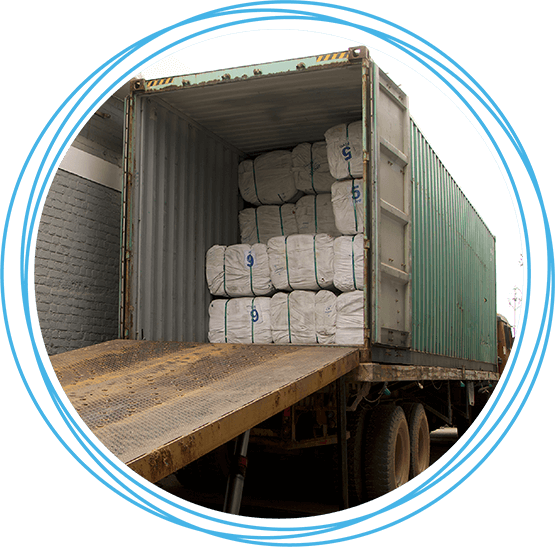



The promise of quality across the globe
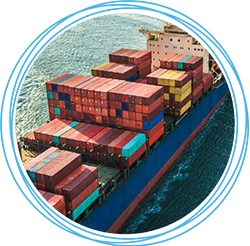
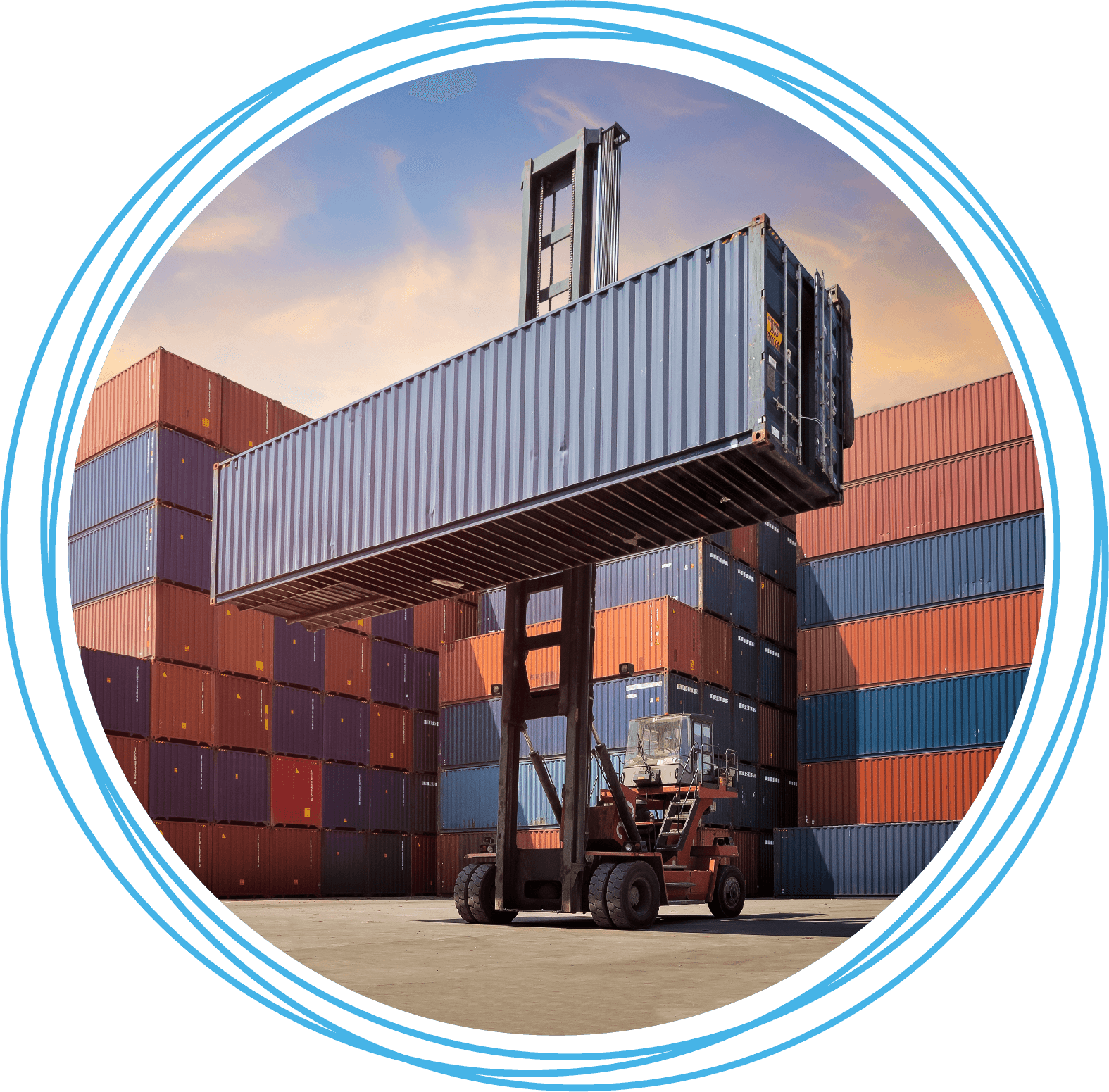
The premium products of Jindal Textile are the most sought-after all over the world. We are extremely proud of our products and will never sacrifice their quality. That is why we are the first choice of numerous clients all over the world. In recent years, our relationships with our overseas partners have grown stronger, and we are now eager to expand into new territories with renewed zeal.
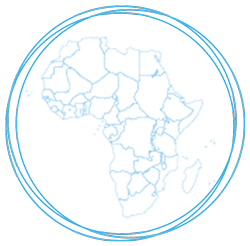
Ethiopia, Kenya, Malawi,
Nigeria, South Africa, Tanzania,
Uganda, Zambia, Zimbabwe,
Egypt, Algeria,
Tunisia, Morocco

France, Italy,
Portugal,
Spain
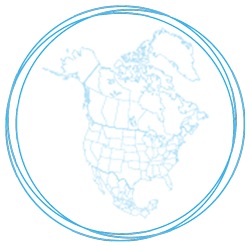
Canada, United
States of America
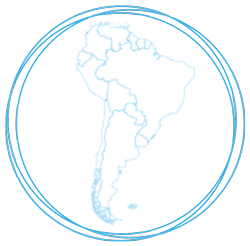
Argentina, Chile,
Bolivia, Peru, Colombia