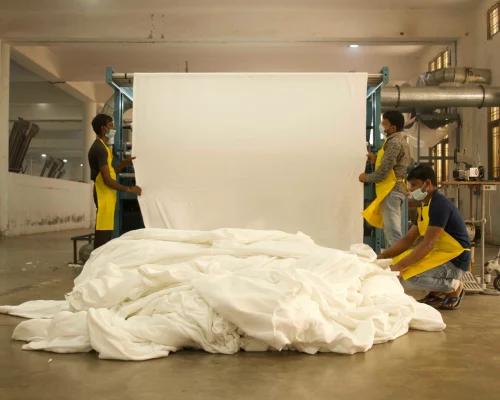
Knitting

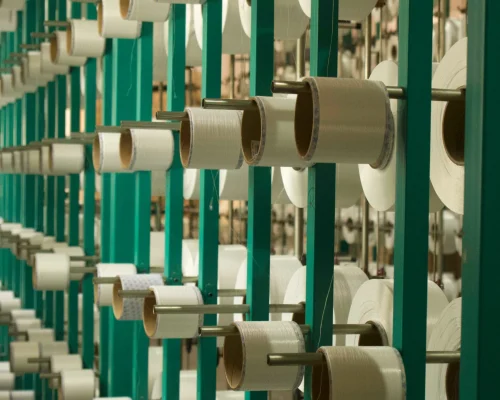
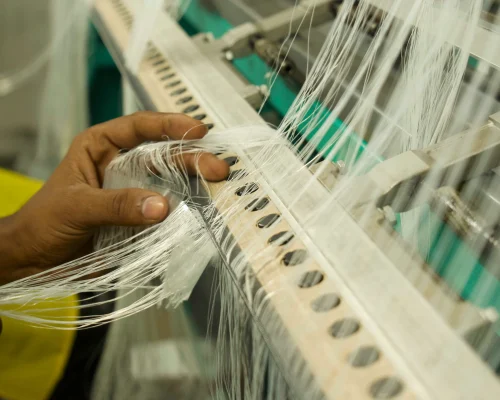
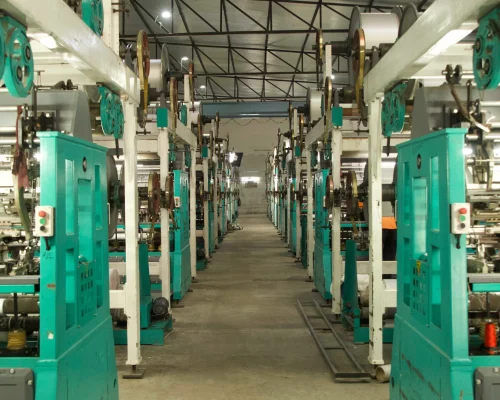
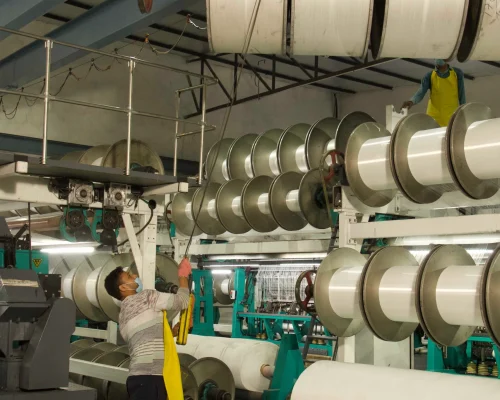
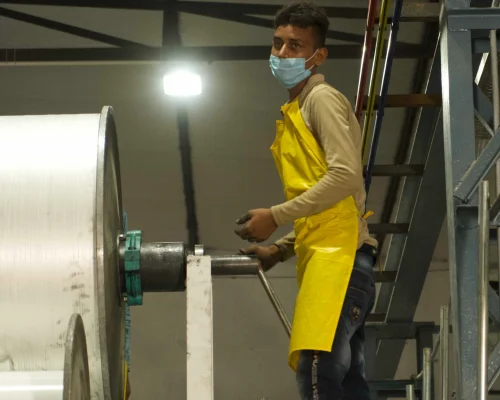
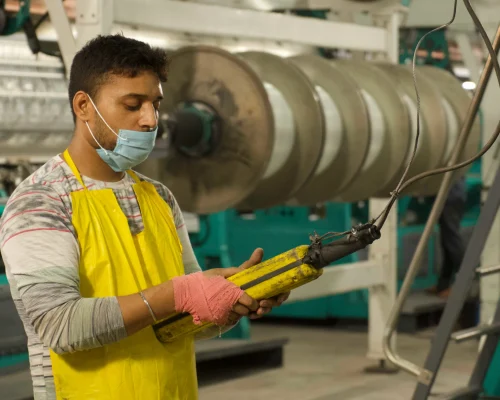
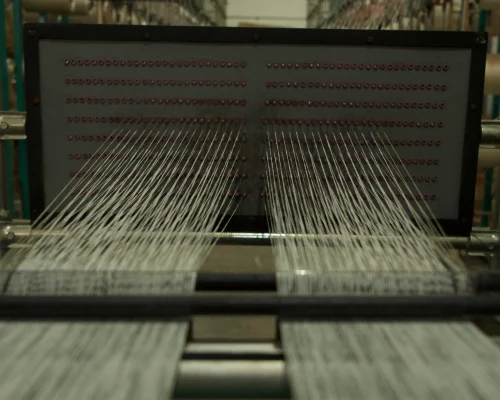
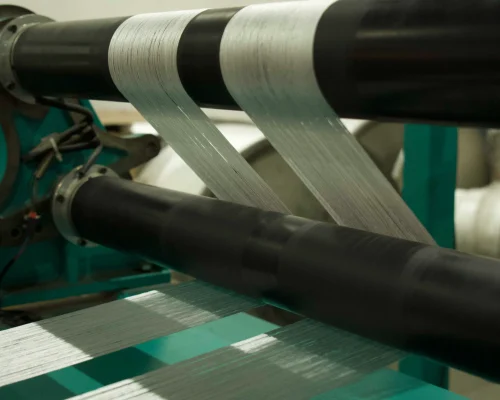
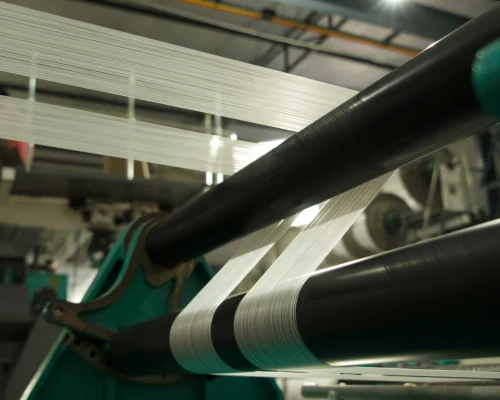
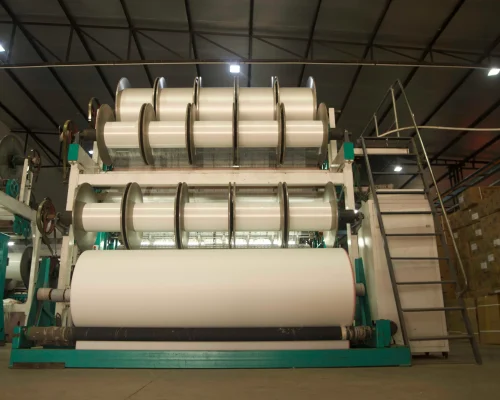
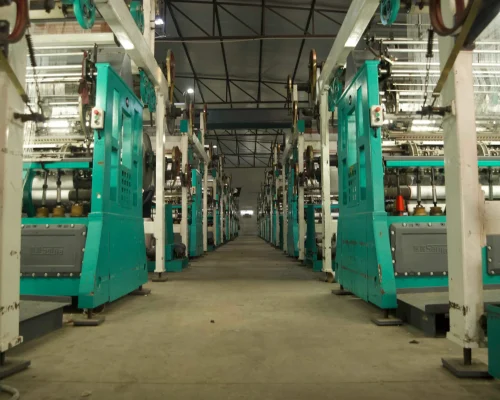
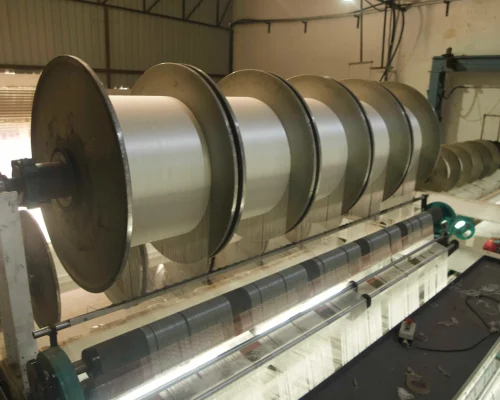
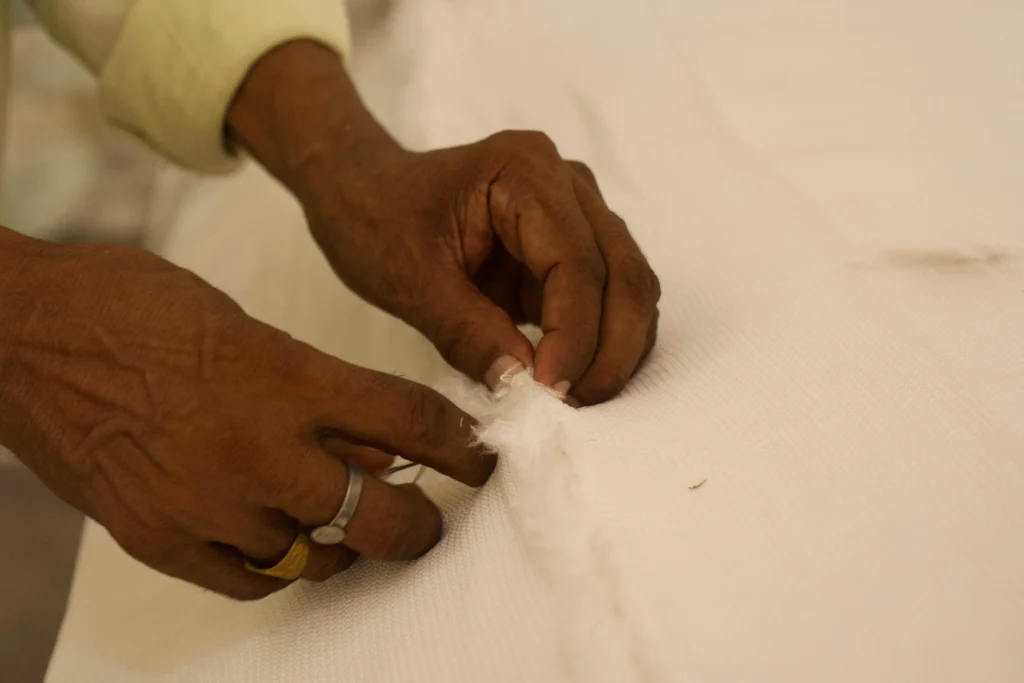
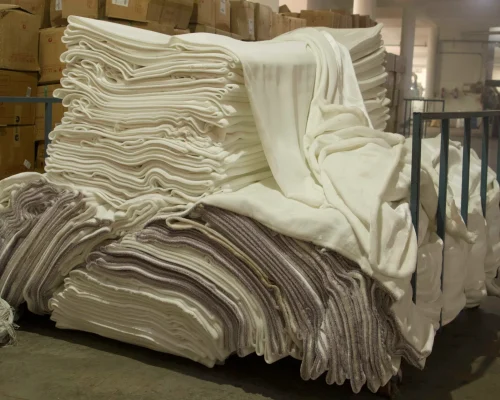
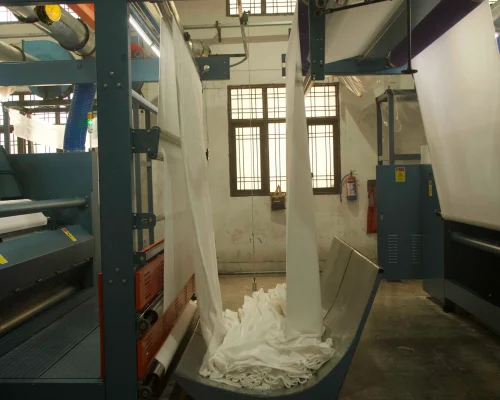
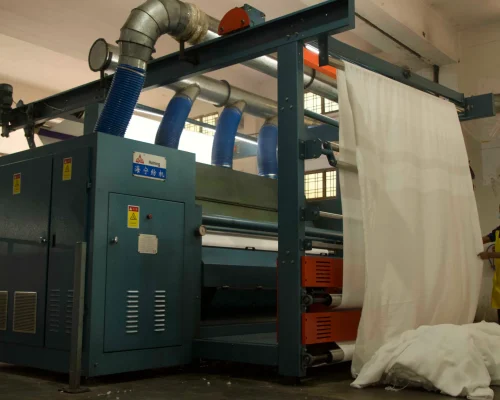
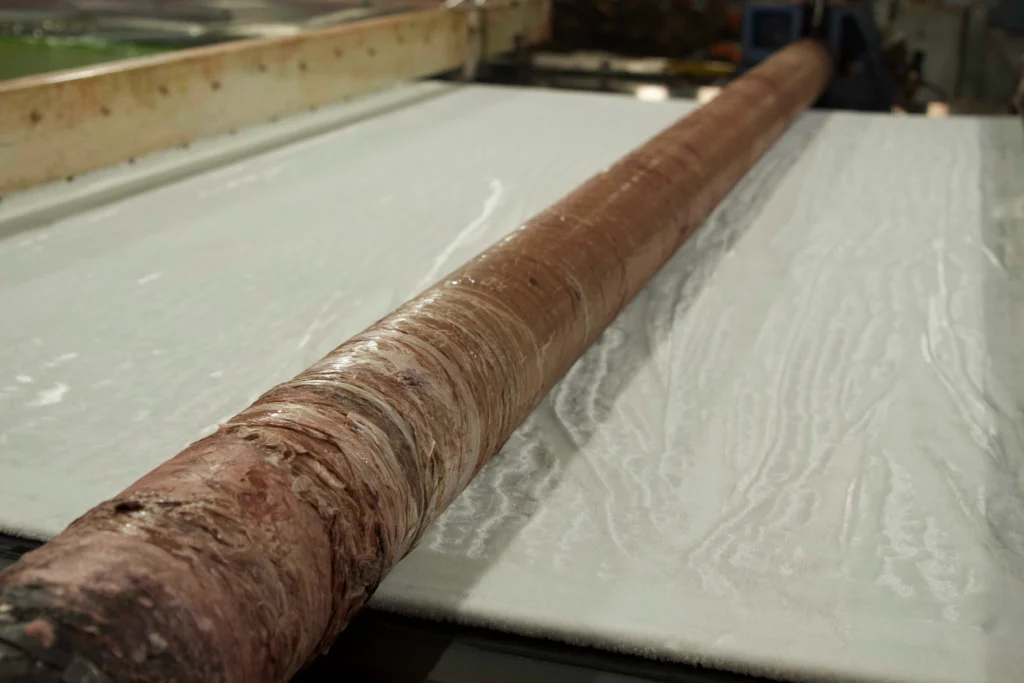
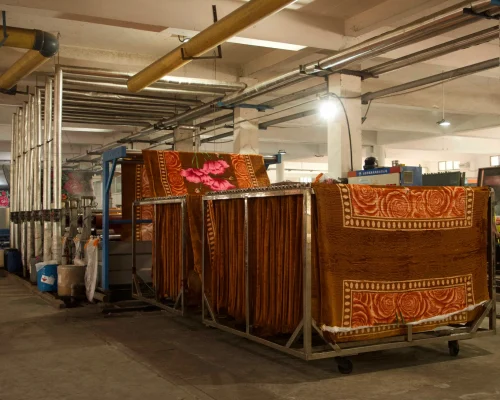
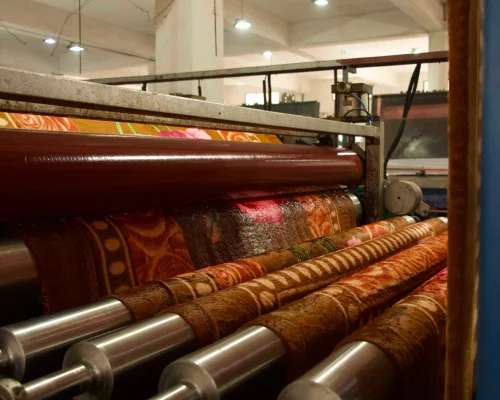
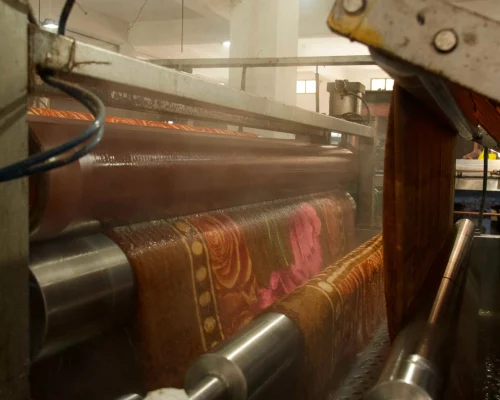
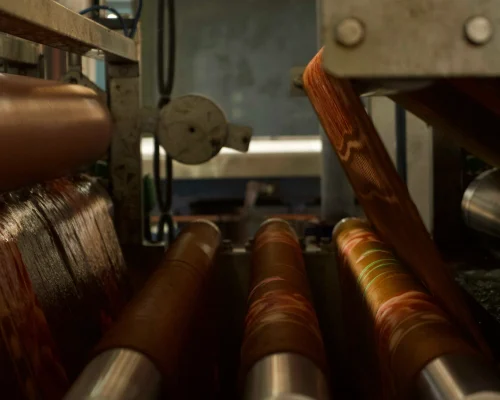
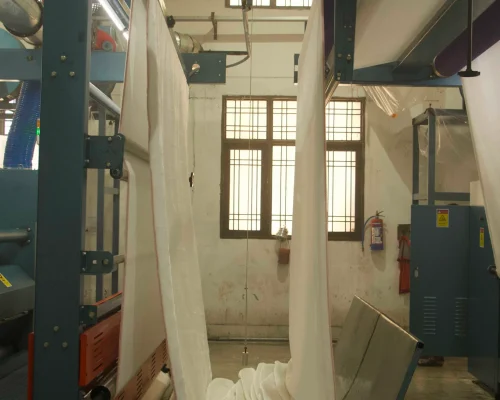
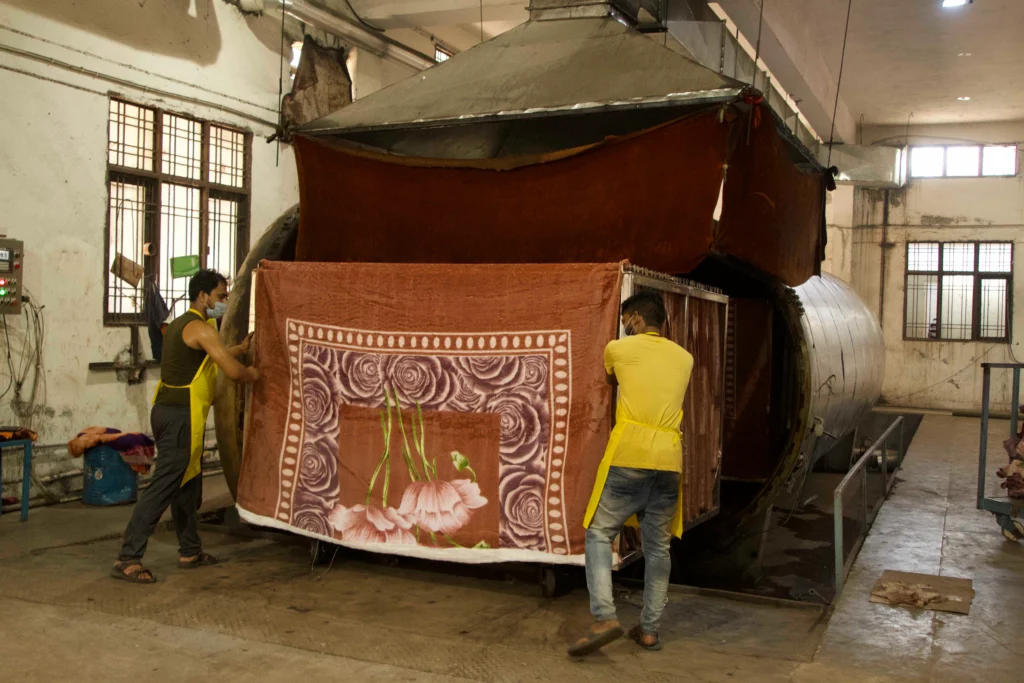
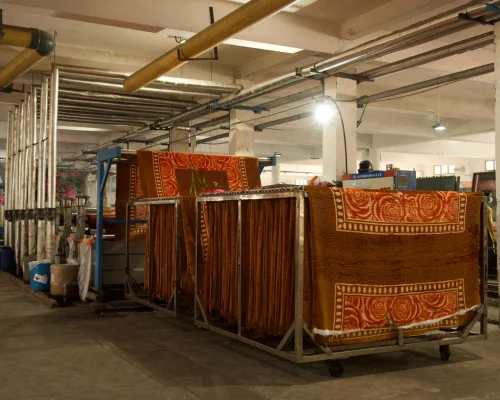
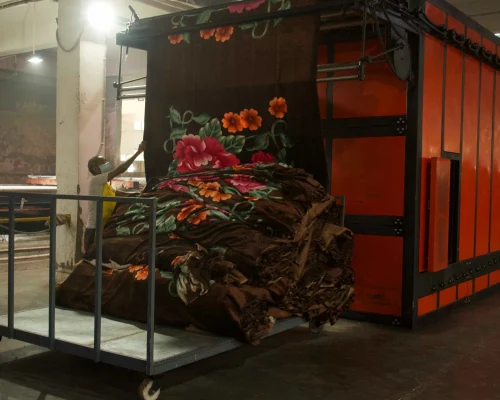
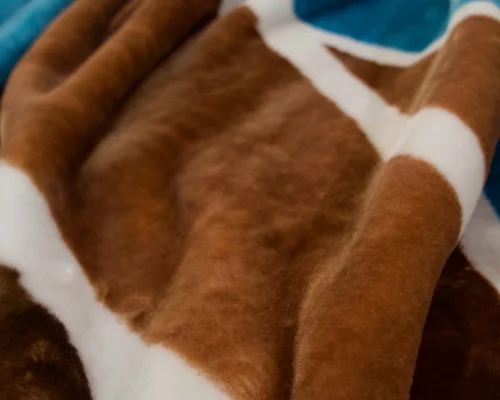
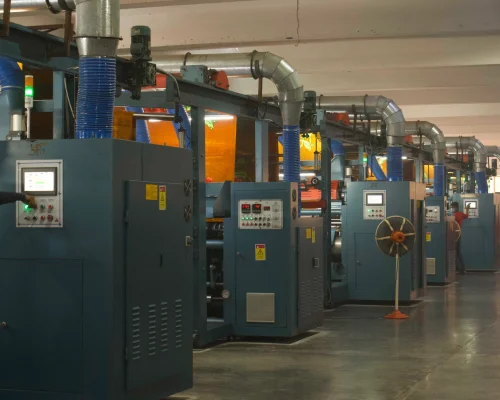
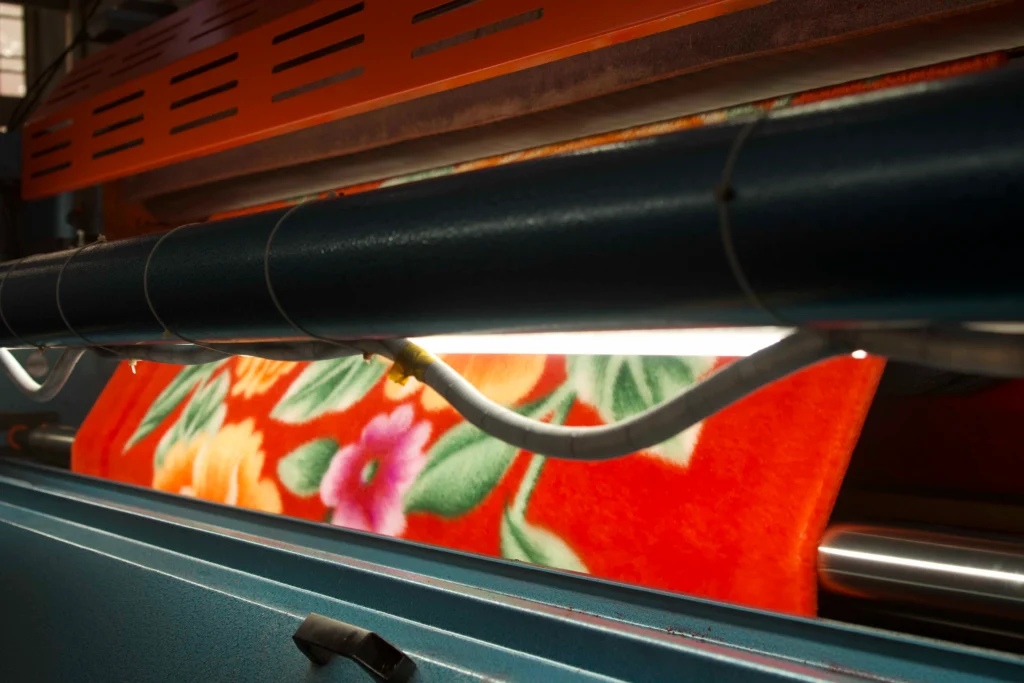
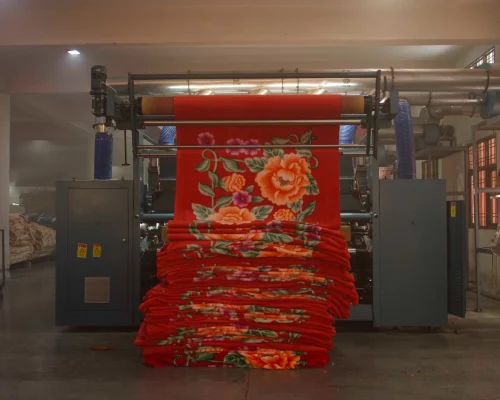
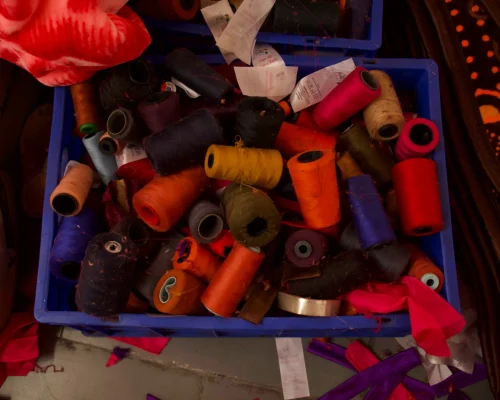
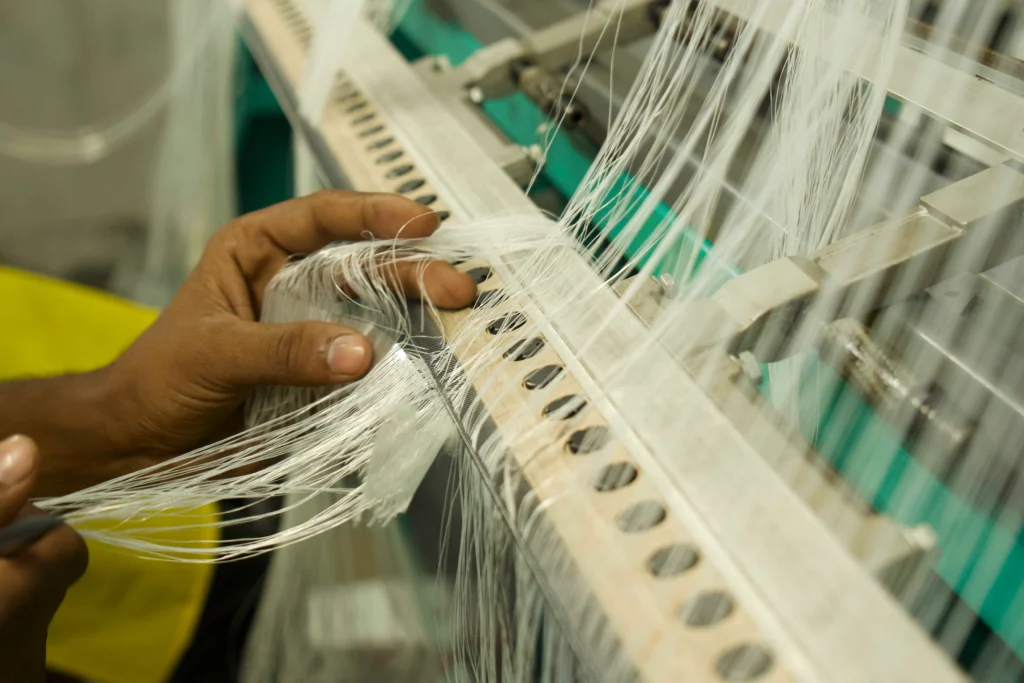
The blanket manufacturing process begins with knitting premium yarns into a soft, uniform fabric base. Using advanced circular knitting machines, the yarn is carefully interlocked to create a smooth and dense surface that enhances warmth and durability. This precise stage defines the texture and overall quality of the blanket, ensuring consistent strength, uniform loops, and a reliable base for subsequent finishing processes.

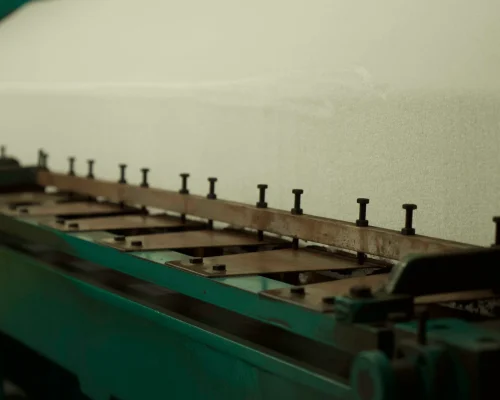
Stentering & Polishing

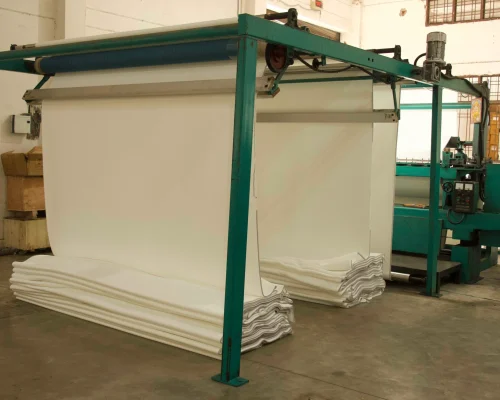
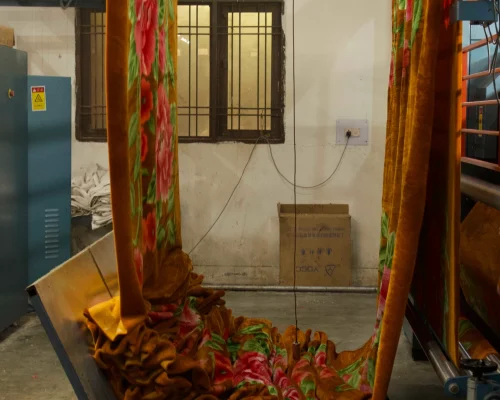
Following knitting, the fabric undergoes stentering to set its width and ensure dimensional stability. This process aligns the fibres, manages shrinkage, and prepares the material for further finishing. Polishing then refines the surface by gently brushing and compressing the fabric, enhancing its smoothness, softness, and subtle sheen—creating an improved finish ready for dyeing or printing.

Printing & Dyeing

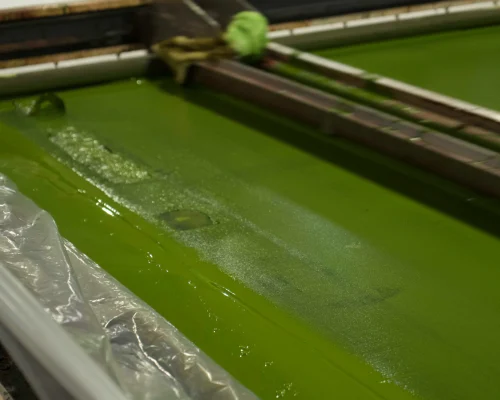
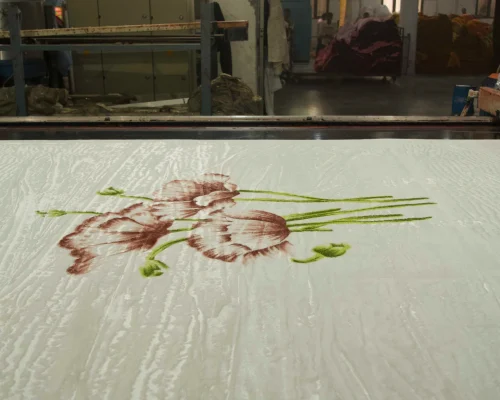
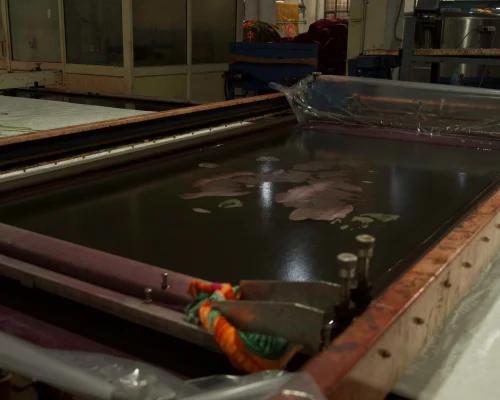
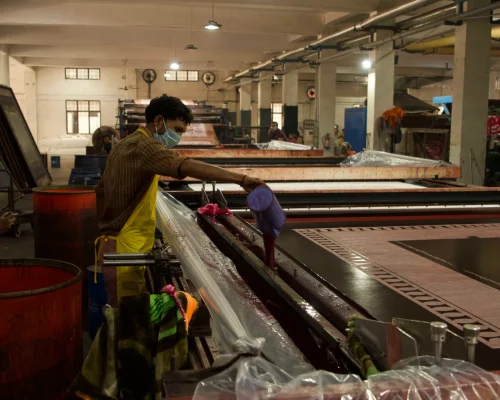
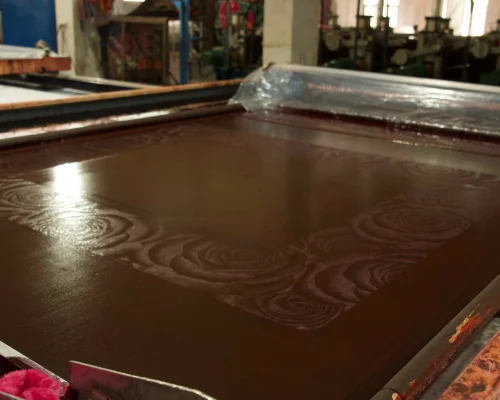
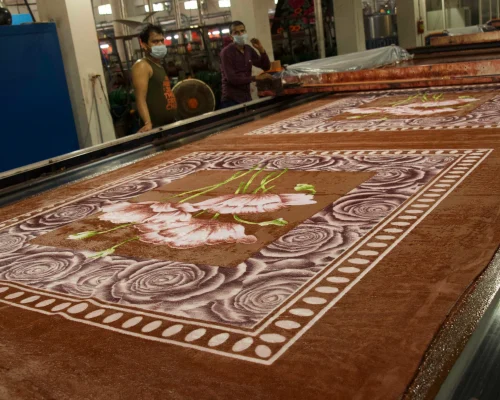
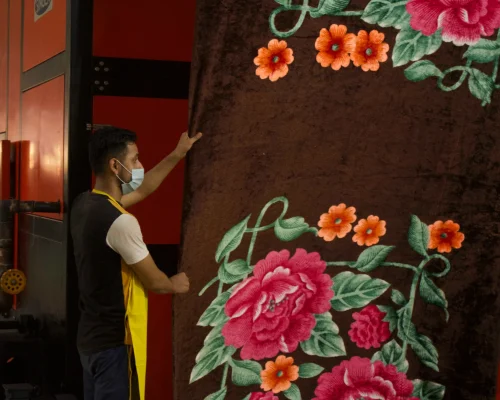
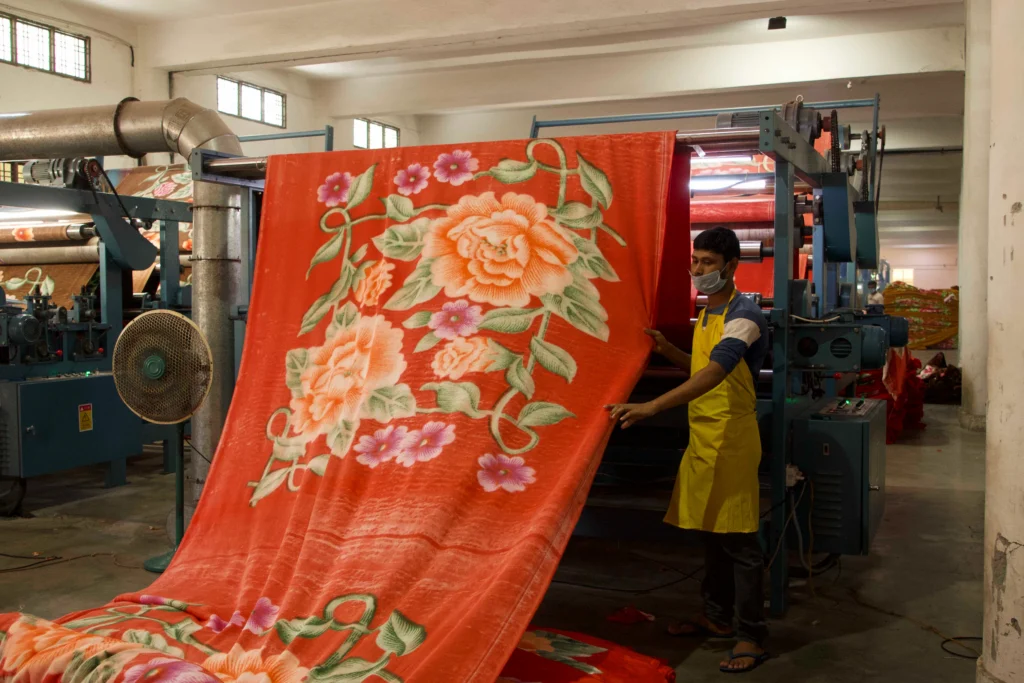
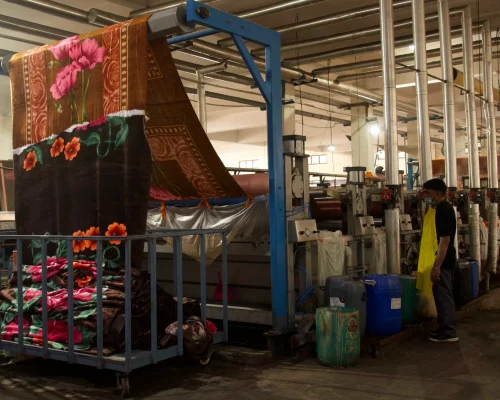
During the printing and dyeing stage, colours and designs are applied using eco-friendly dyes and high-precision screens or rollers. This step transforms the fabric into vibrant, customised patterns while ensuring strong colour retention. Each batch is closely monitored for uniformity, with accurate pattern alignment and precise shade matching to achieve visually appealing, high-quality blankets.

Washing & Dehydration

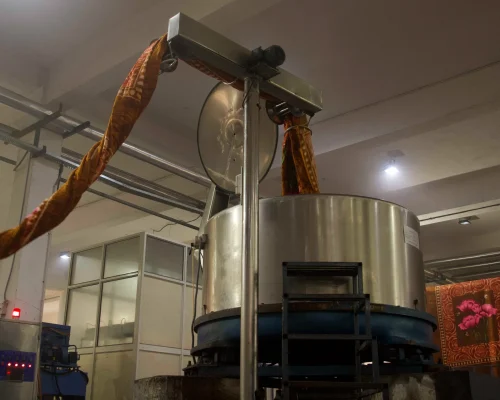
After printing, the fabric is thoroughly washed to eliminate excess dyes, chemicals, and impurities, ensuring enhanced colour stability and softness. It then passes through advanced dehydration systems that efficiently remove excess moisture without affecting the fabric’s integrity. This step refines the texture, clears any residues, and prepares the material for the next stages of finishing.

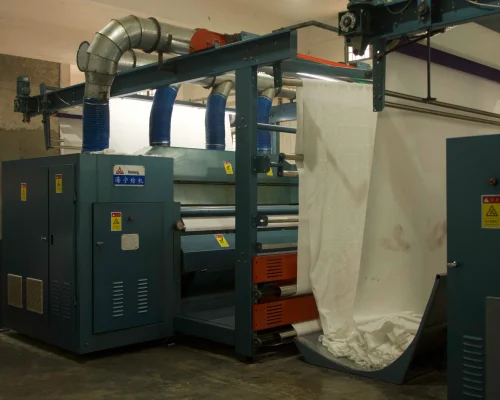
Secondary Stentering

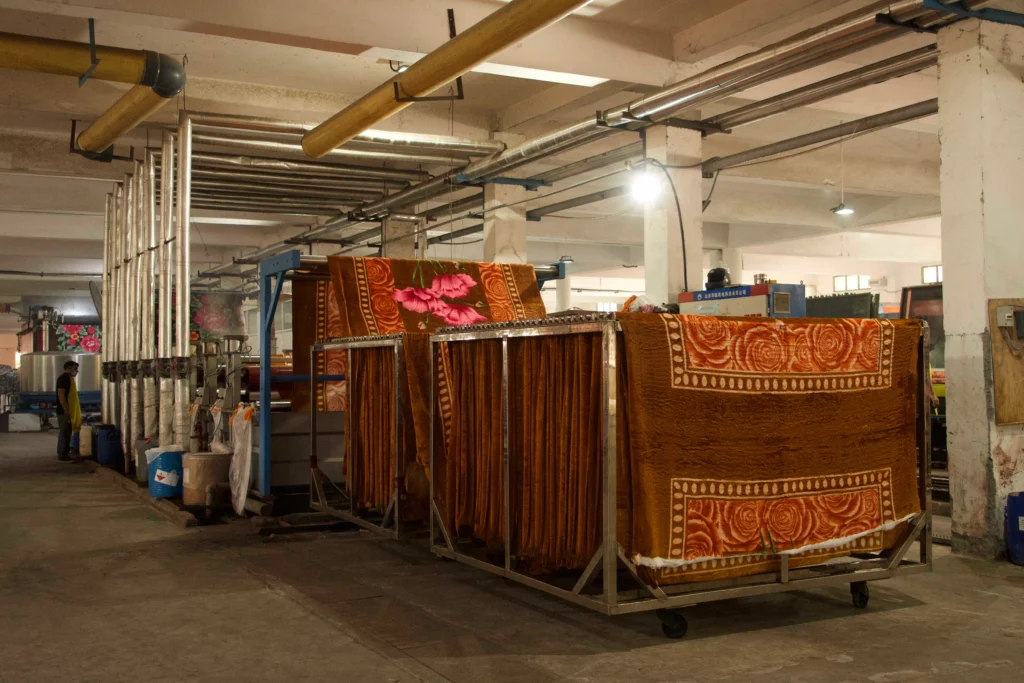
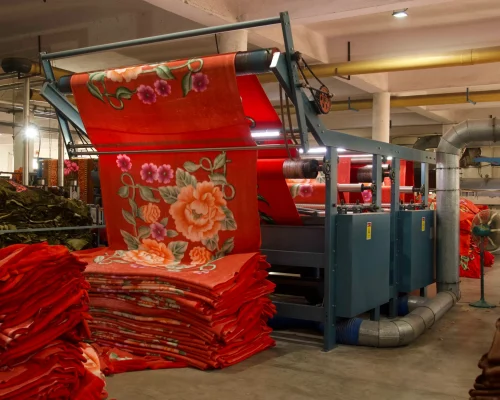
The fabric passes through a second stentering process to restore and reinforce dimensional stability after dyeing and washing. This stage ensures precise width control and uniform texture across the material. It also corrects any distortions, enhances consistency, and prepares the fabric for final finishing processes such as brushing and embossing.

Brushing & Polishing

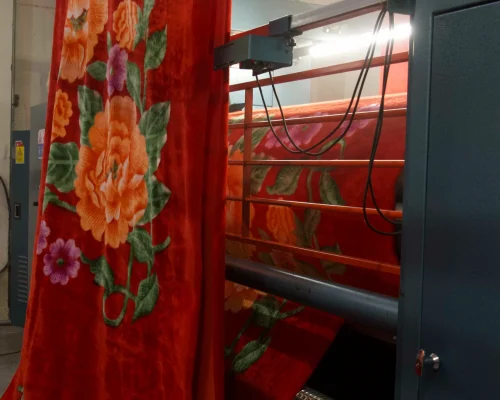
Brushing lifts the fabric surface to create a soft, plush pile that defines premium blankets. Using specialised machines, fibres are gently raised to enhance warmth and comfort. This is followed by polishing, which refines the surface, improves smoothness, and elevates the tactile feel—resulting in a rich, luxurious finish that enhances both appearance and touch.

Embossing

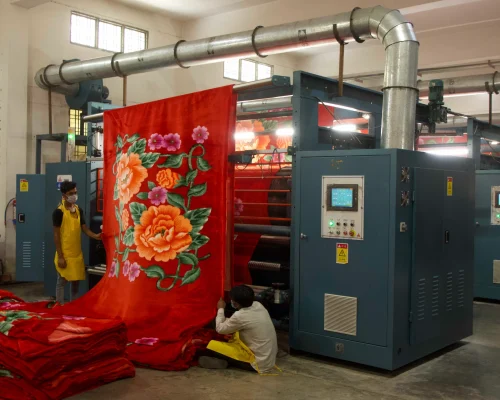
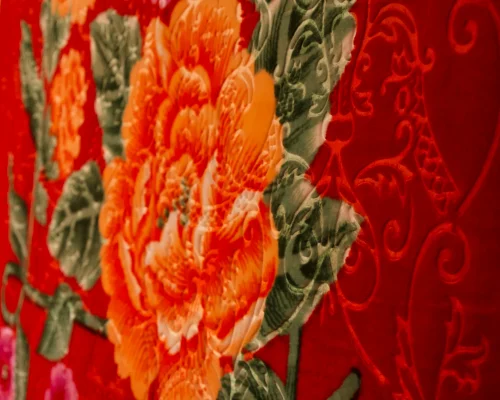
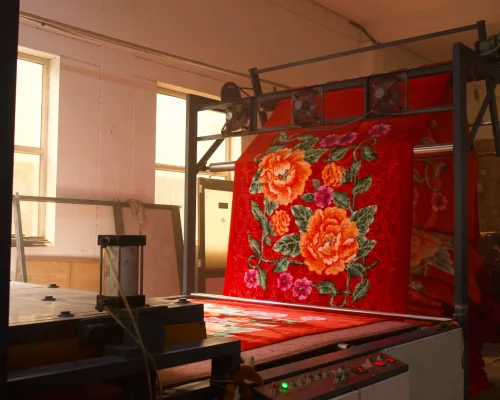
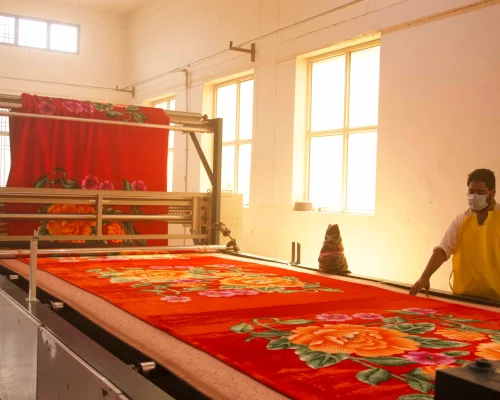
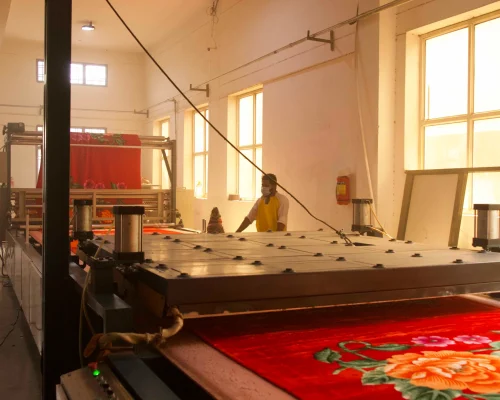
Embossing enhances the fabric with texture and design using heat-press rollers that imprint decorative patterns onto the surface. This process elevates visual appeal and adds a premium finish without affecting comfort or warmth. It also improves the fabric’s structure and thickness, making the blanket more appealing for both retail display and everyday use.

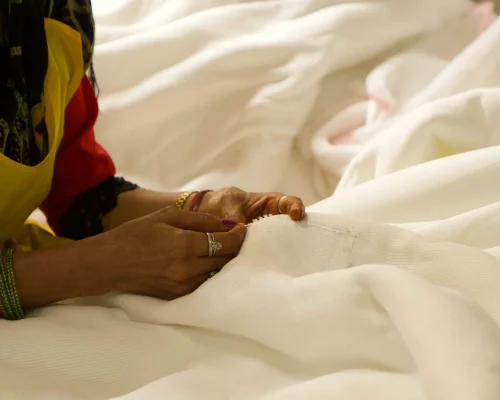
Sewing & Labelling

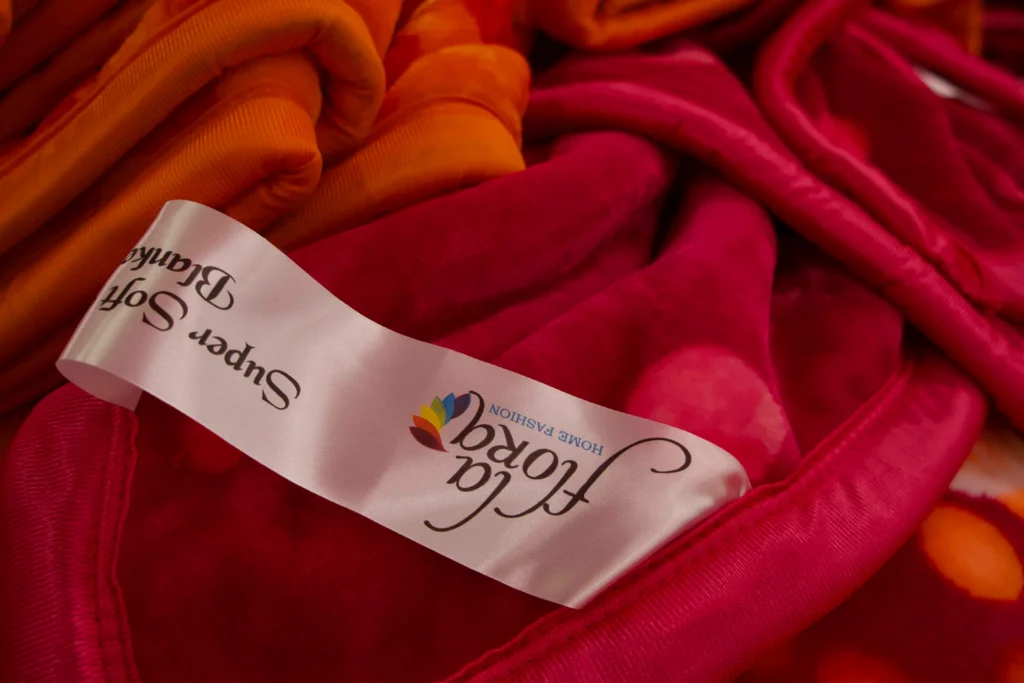
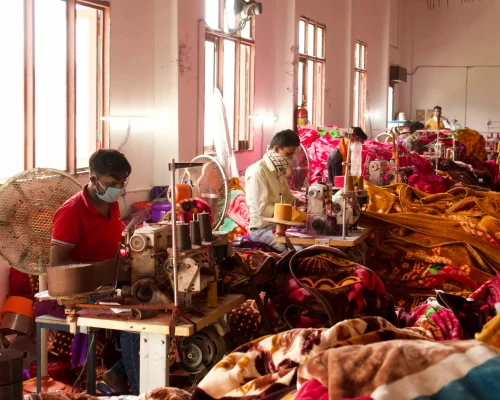
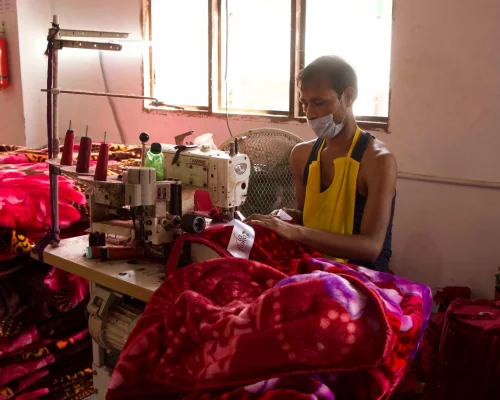
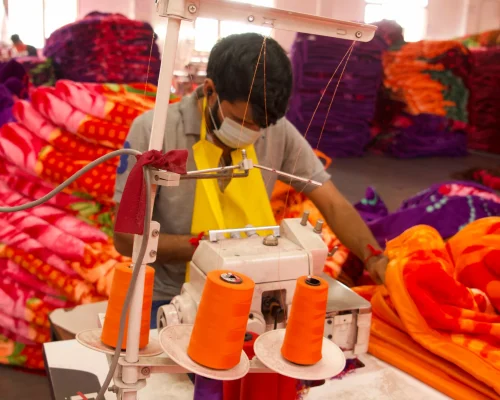
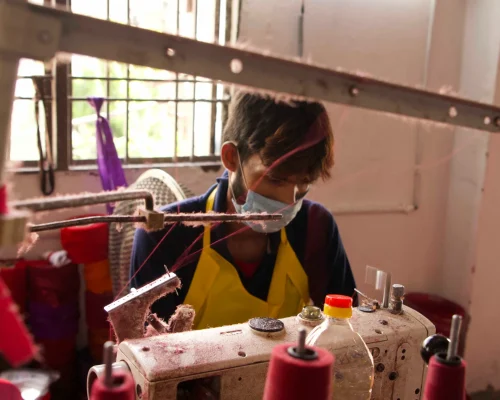
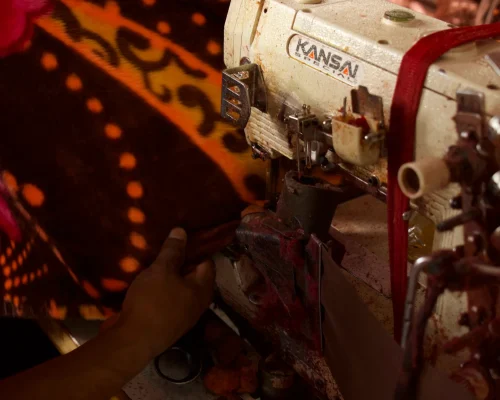
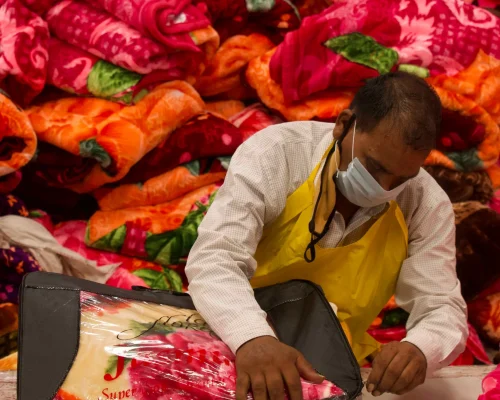
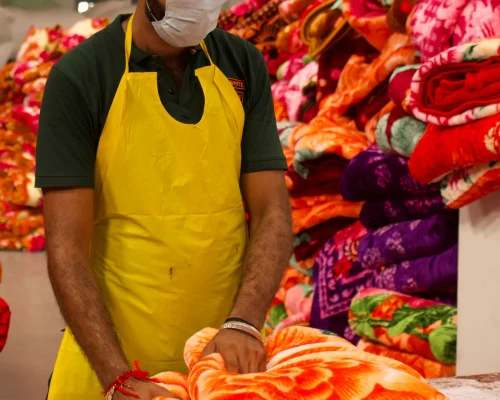
Once finishing is complete, the fabric is cut and stitched into blankets of various sizes with precise, durable seams. Edges are reinforced to enhance strength and longevity. Each blanket is then labelled with brand details, size, care instructions, and material specifications, ensuring clear identification, compliance, and ease for consumers.

Packaging

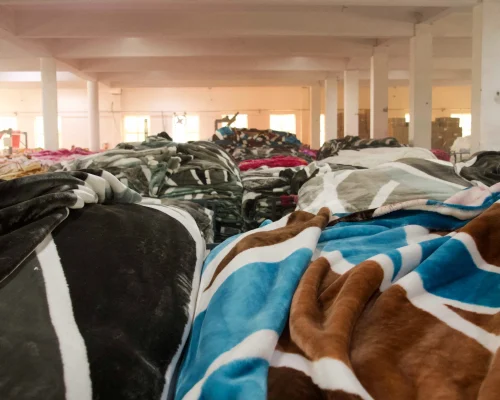
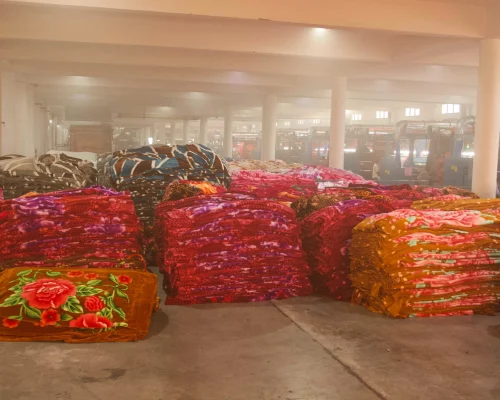
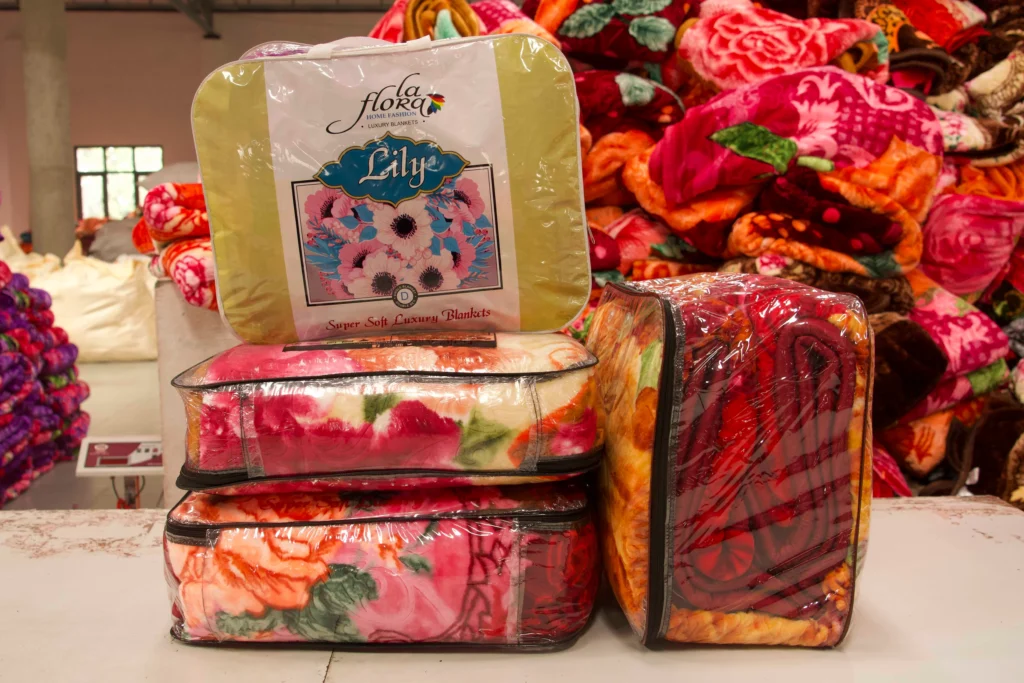
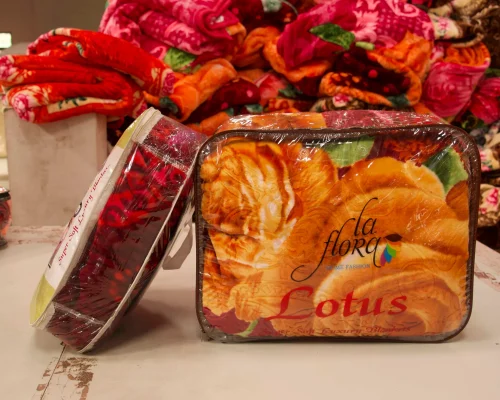
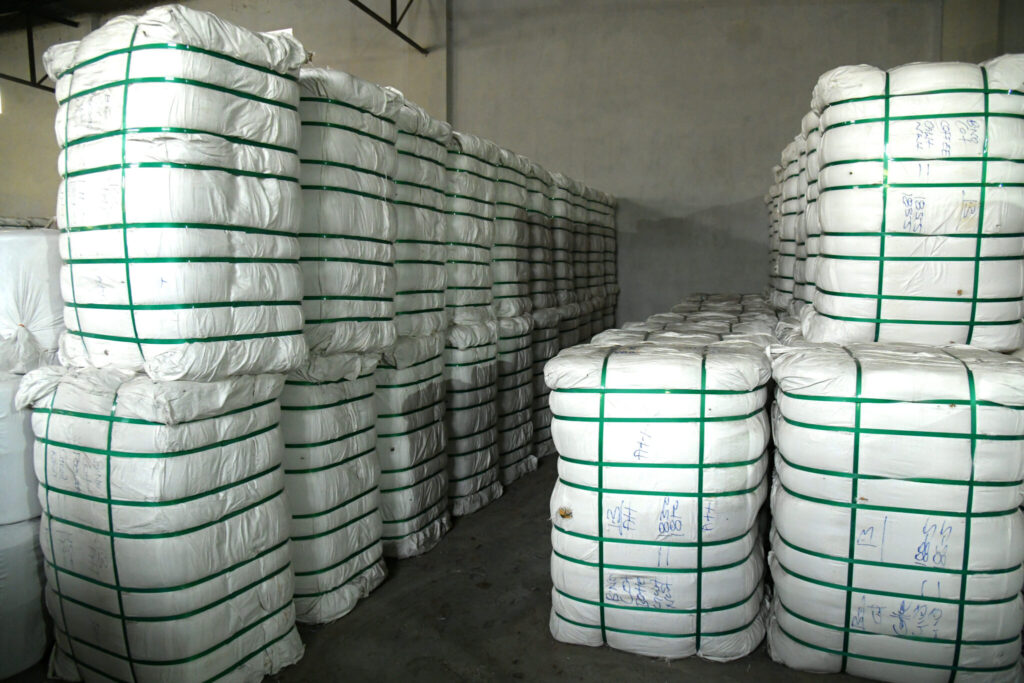
Blankets are carefully folded and packed using protective, branded materials to maintain quality during storage and transit. The packaging includes poly covers, cartons, and labels with product codes and care information. This ensures each product remains clean, secure, and ready for retail display or delivery.

Shipping

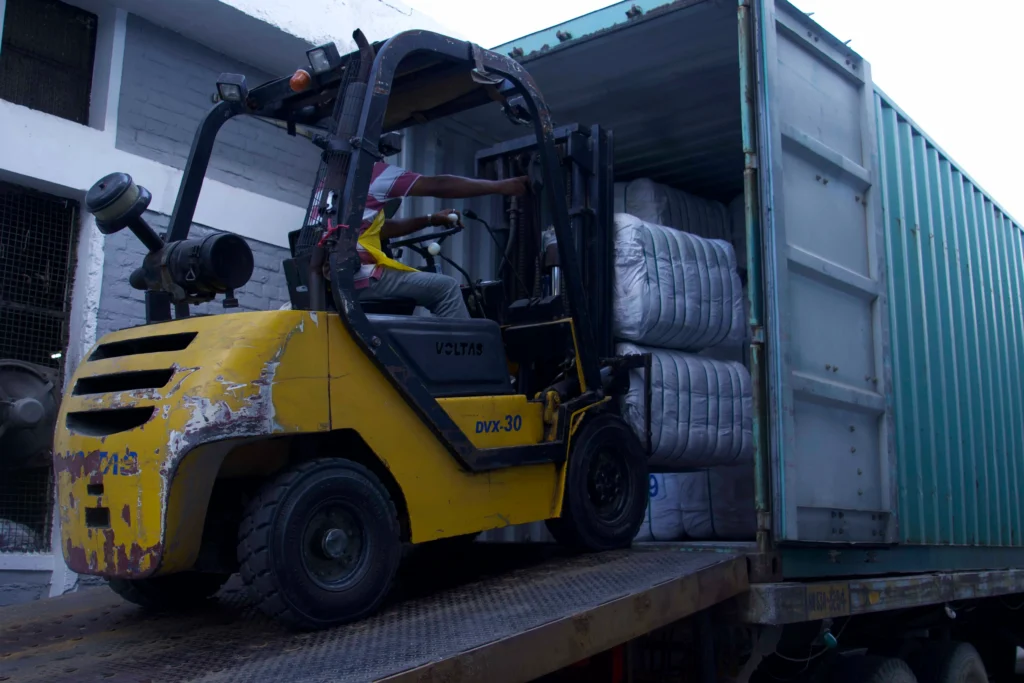
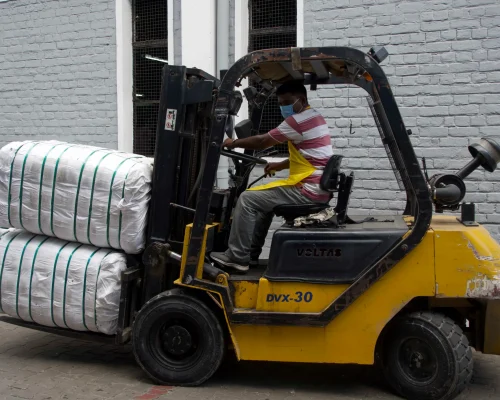
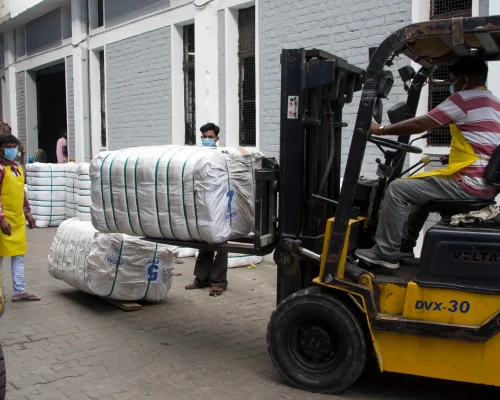
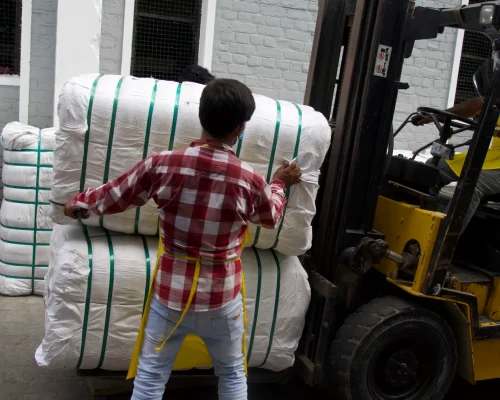
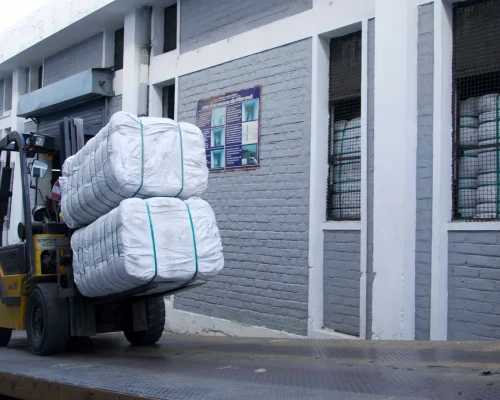
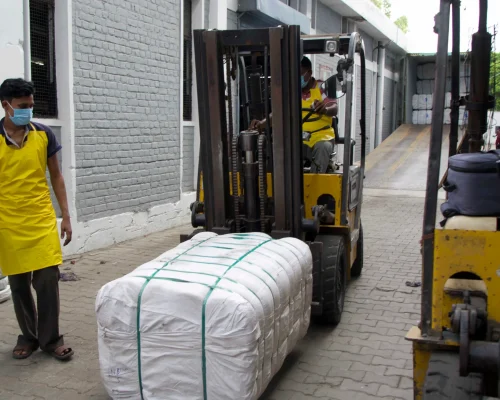
Finished products are consolidated, inspected, and readied for dispatch. Streamlined logistics ensure timely delivery across domestic and international markets. Each shipment is tracked and supported with complete documentation for seamless customs clearance, ensuring reliability and customer satisfaction throughout the supply chain.

Export

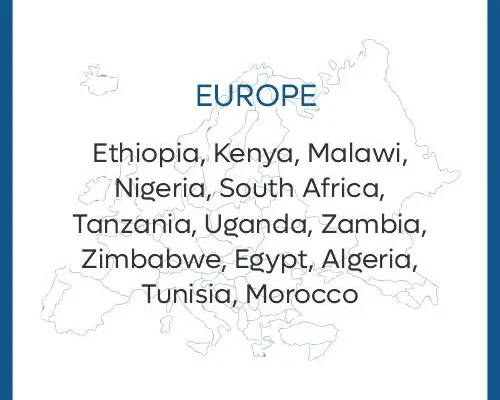
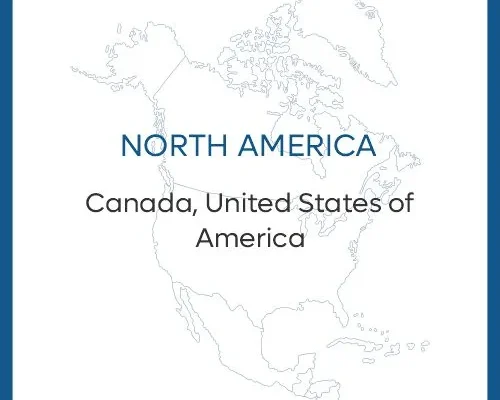
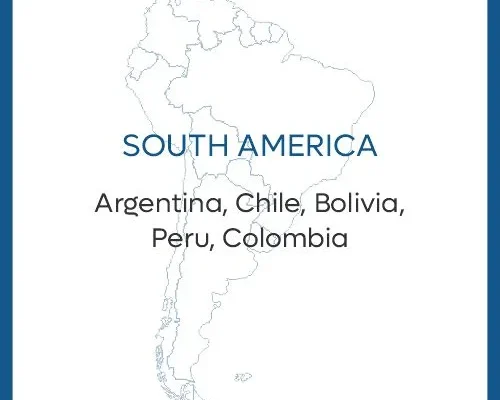
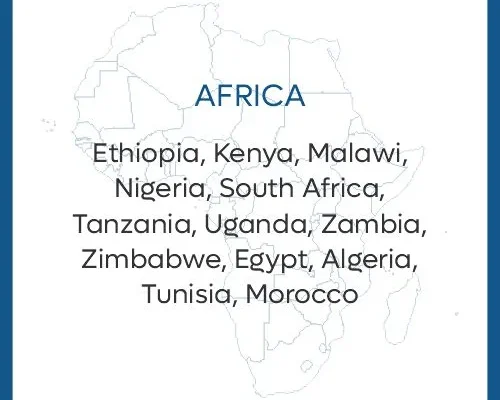
Jindal Textile’s premium products are widely recognised across global markets, reflecting our strong commitment to quality and excellence. Each product is crafted with precision and care, maintaining uncompromising standards that have earned the trust of international clients. Our focus on superior materials, advanced technology, and strict quality control has established us as a reliable partner in the global textile industry.

Over time, we have developed lasting relationships with overseas partners, built on trust, transparency, and mutual growth. As market demands continue to evolve, Jindal Textile remains dedicated to expanding its global presence with innovation, agility, and a clear vision to deliver world-class textile solutions worldwide.
What does the manufacturing process at Jindaltex involve?

Jindaltex’s manufacturing includes yarn production, wool recycling, recycled cashmere processing, and production of finished textile goods.
Yes, the company produces recycled yarn and wool using processes that meet recognized quality standards (GRS certification).

Yes, they export yarn and other textile products to various global markets.

Jindaltex recycles wool, cashmere, and other textile waste into high-quality yarn and fabrics.

Yes, their in-house factory produces yarn, recycled cashmere, woollen products, and blankets.

Looking For a Reliable Manufacturer?

Do not hesitate to say

We proudly honour our rich 23-year legacy by supplying superior-quality products and thriving at the top of the list of sustainable textile suppliers.

Our Branches

Jindal Textile Industries Private Limited
E-1, Industrial Area Panipat – 132103, Haryana, India

Jindal Fibers
Plot 58 and MY3P, Kandla special economic zone, Gandhidham
Kachch Gujarat, India

Partner
LAPO SERMATTEI, Via C. Abba 69, 59100 Prato Italy.
Mobile : +39 3355387087
Email : laposermattei@gmail.com